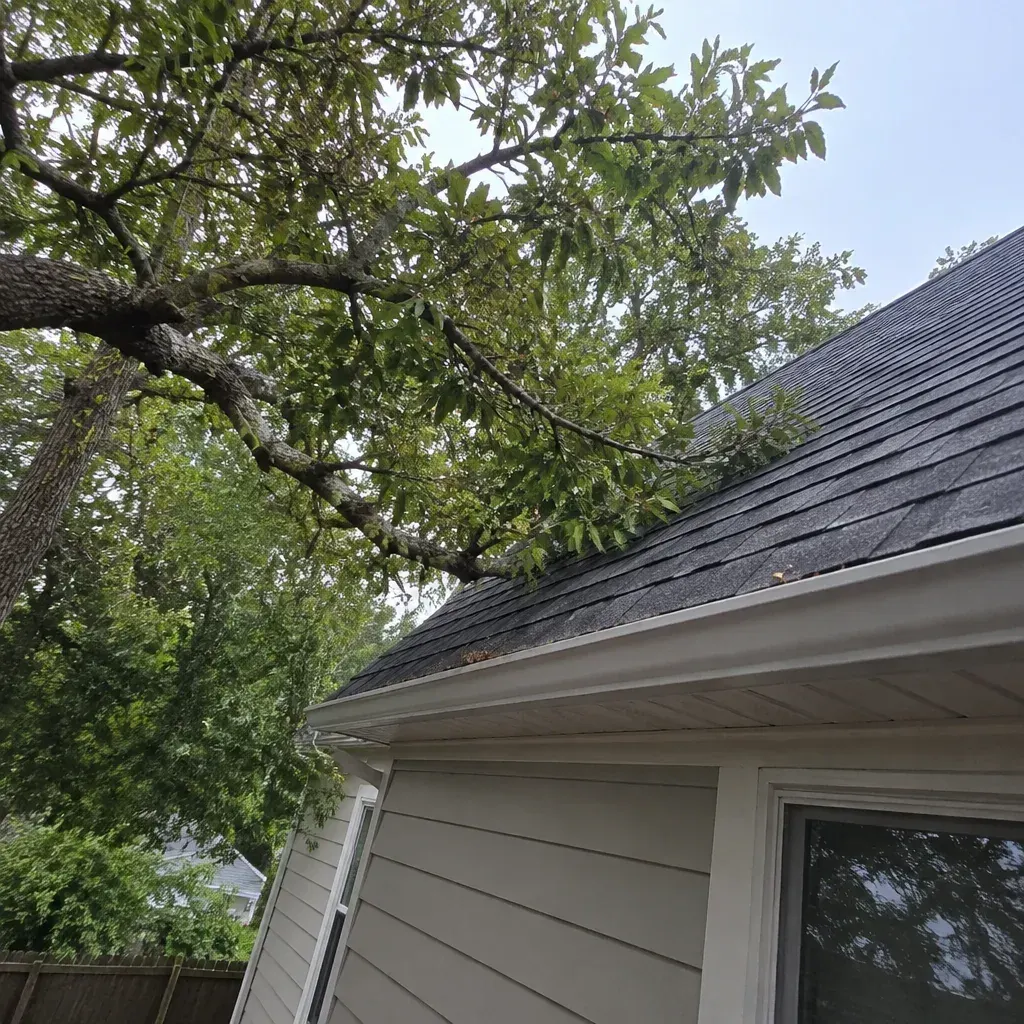
Rodents in Sheds
Learn how to recognize shed rodents, remove food and clutter, track possible access routes, and decide when an inspection makes sense in South Bend.
Read article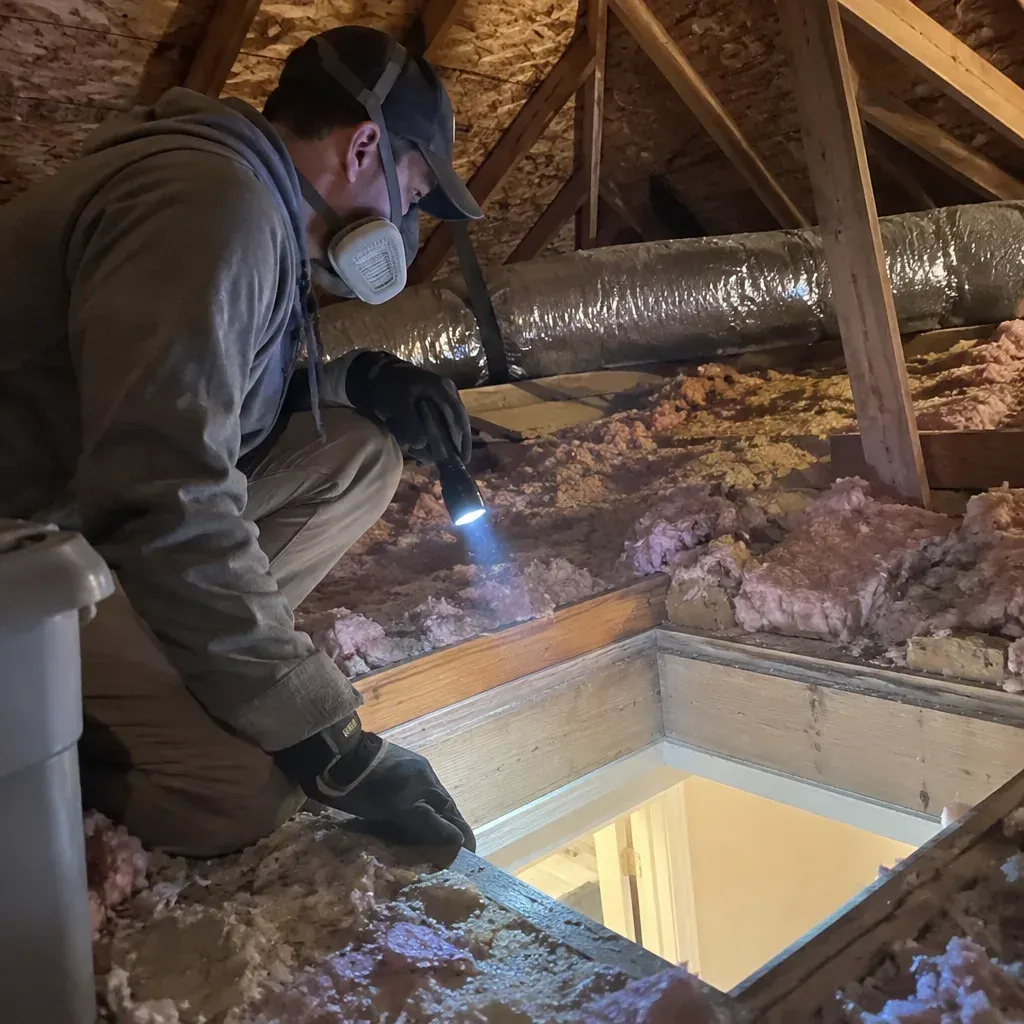
Use these guides to connect what you notice at home with what to ask next. In South Bend, a few pellets in a pantry, shredded material beside stored items, or scratching from a wall can point to rodent activity, but the signs need context. A ranch, split-level, or garage may have different routes indoors, especially where small gaps remain around utility lines or doors. Near Howard Park, as elsewhere, an inspection can help trace signs and access. The sections below explain control choices and prevention. Stop before disturbing dusty droppings; ask how to clean safely.
A sign is more useful when you can describe where it appeared and what was nearby. Droppings, gnawed material, nesting debris, or sounds may indicate rats or mice, while an inspection can help assess the evidence and possible routes. In South Bend, winter snowfall can make exterior openings harder to see, so check sheltered edges when conditions allow. Rats and mice may follow pipes or utility lines into wall cavities, where scratching sounds can be difficult to trace. Avoid stirring dust from droppings or urine, which can carry germs, and ask about safe cleanup.
Food left in open packages or crumbs on counters can provide rodents with a source, so sealed containers and routine crumb removal help limit access. These materials can carry germs, so avoid stirring up dust around them. Food left in open packages or crumbs on counters can also give rodents an available source, so sealed containers and routine crumb removal support prevention. Those steps address household conditions; they do not establish whether signs came from rats or mice or where the animals entered.
Learn how to recognize shed rodents, remove food and clutter, track possible access routes, and decide when an inspection makes sense in South Bend.
Read article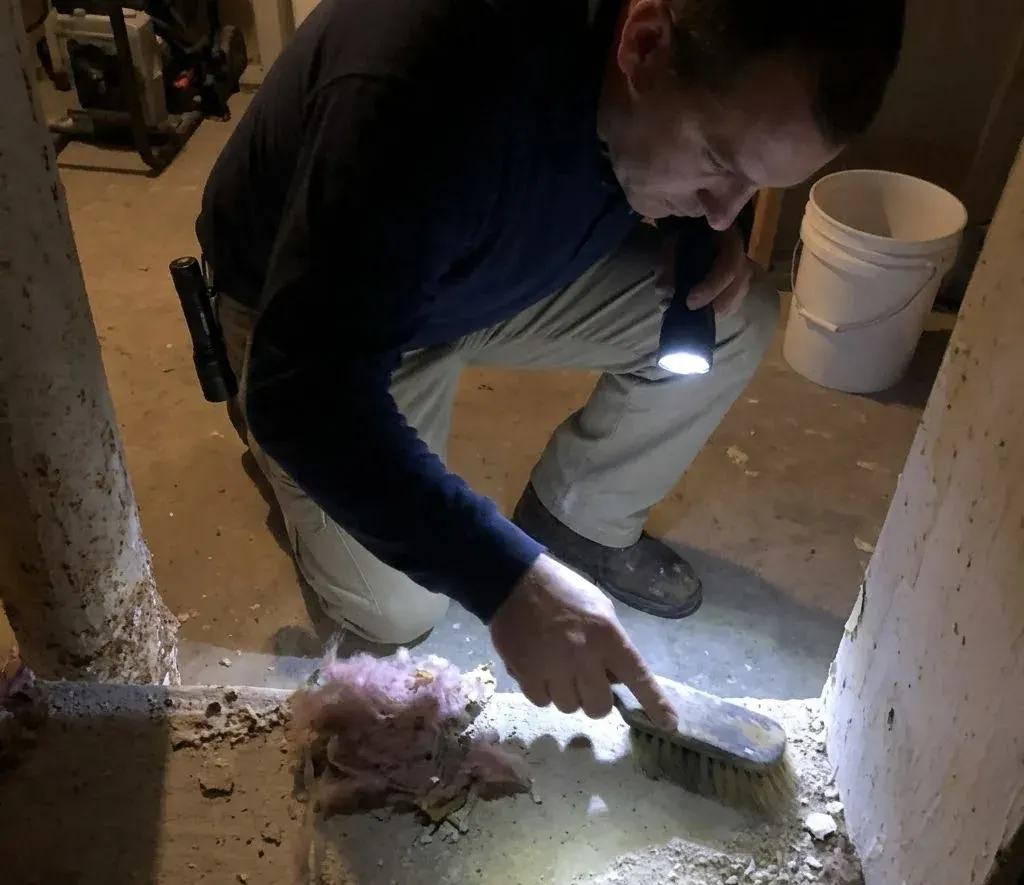
Found possible rodent signs in your South Bend basement? Learn what to note, how to keep people and pets clear, and when an inspection may help.
Read articleOne mouse cannot give you a reliable count. Learn which clues may suggest more activity, what food and access changes can help, and when South Bend homeowners may want an inspection.
Read article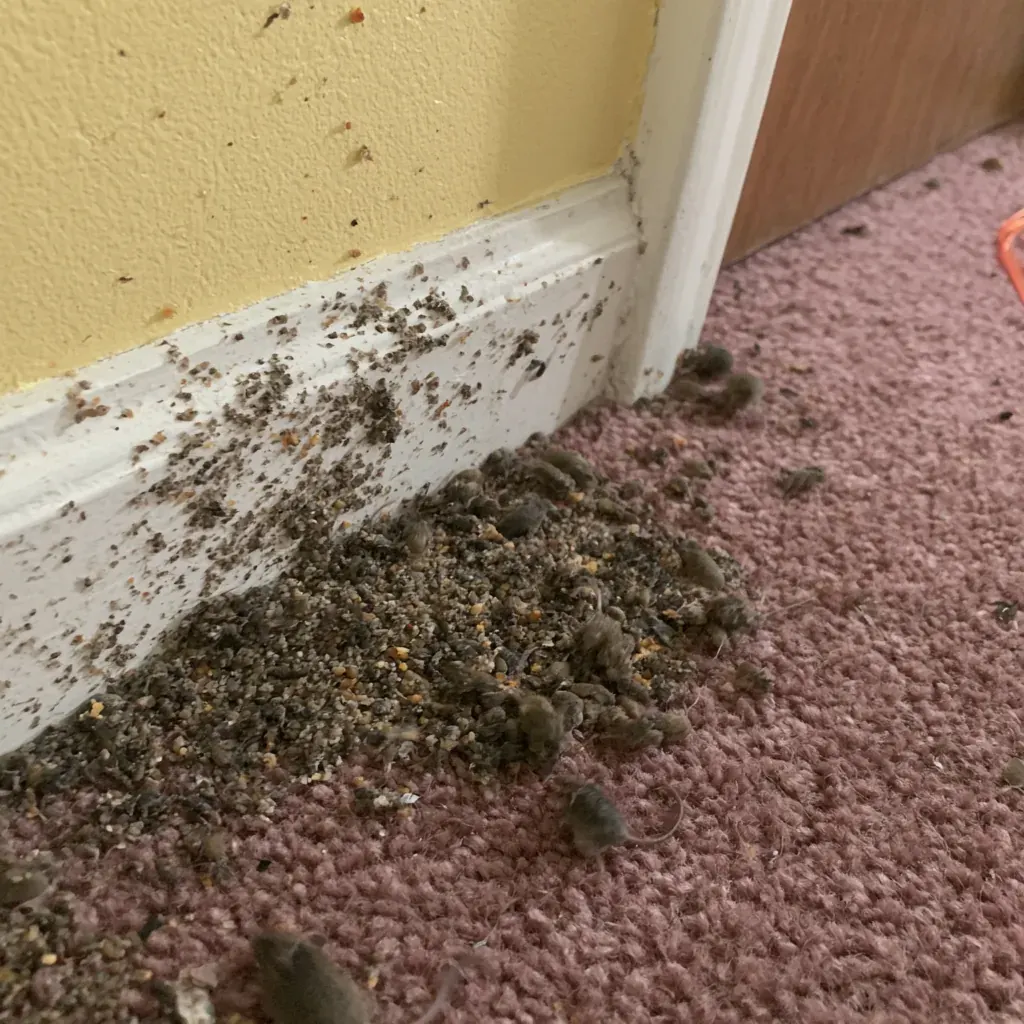
A rat or mouse can be hard to identify from a quick glimpse. Check size, tail shape, droppings, and activity signs in order, then share what you observed.
Read articleNo individual author is identified here. The guides draw on general pest-control practice, service-provider guidance, and product-label directions. They explain how an inspection may look for signs and openings, and how those findings can shape control steps; they are not reports from your home. For a ranch, split-level, or other property, the pros we connect you with can explain how their inspection findings apply to your building.
A review date is not provided with this guidance, so the page does not establish when it was last checked. Treat it as general information, not a record of current conditions at your address. Product directions can govern how bait is used, including its placement and precautions. If a provider proposes bait, ask how the product label applies to your household and follow its directions.
South Bend context includes substantial winter snowfall and city enforcement of nuisance conditions involving trash and debris; neither establishes local rodent rates or what is happening at your address. A reference to Osceola or Baugo Creek does not make findings transferable across places. The passage does not describe food storage or openings around the home.
Guides can help you prepare for a rodent inspection, but they cannot determine what is happening inside your South Bend home. Note where signs appeared and keep clear of contaminated material; stirring dust while cleaning droppings can spread germs. When you contact the pros we connect you with, ask whether an inspection is available, what options might follow, and whether a visit charge applies. The findings can help explain which next steps fit the property.
Call (574) 891-1078