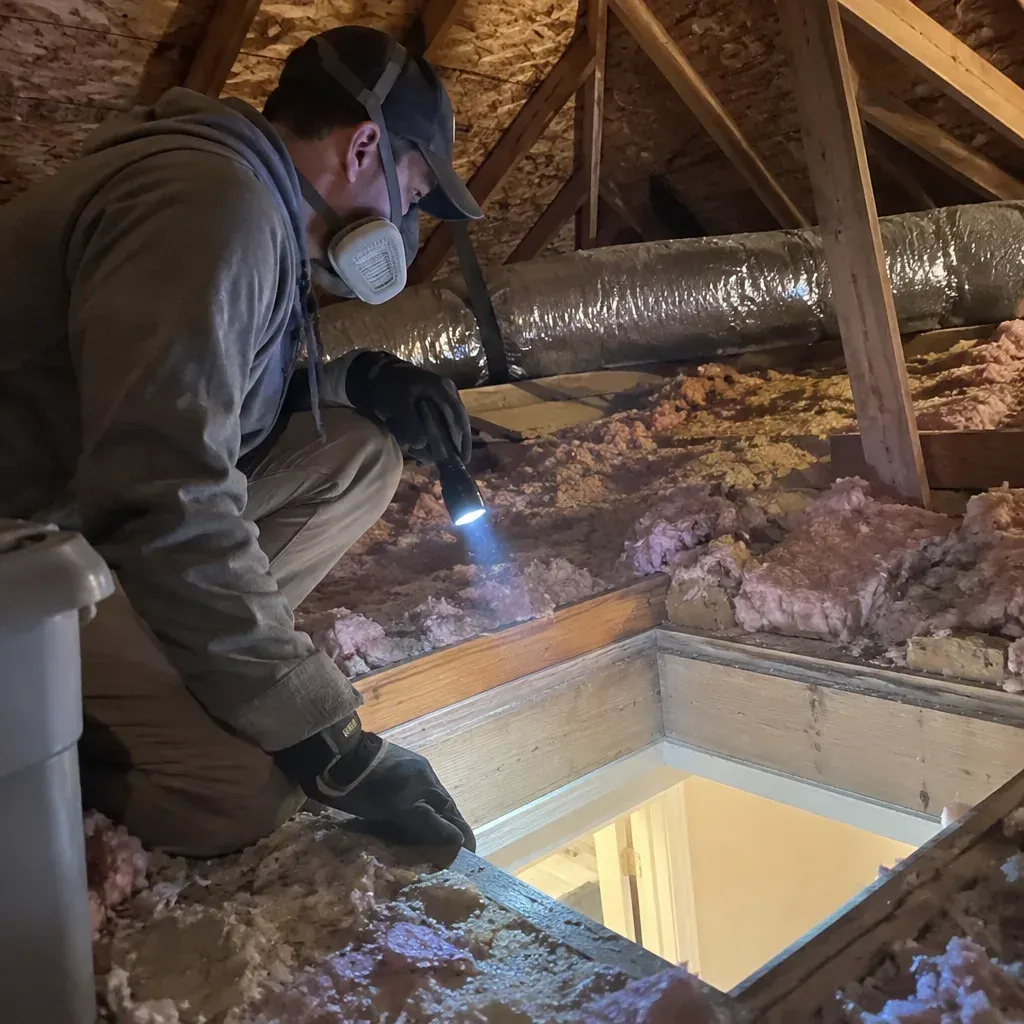
How Many Mice?
One mouse cannot give you a reliable count. Learn which clues may suggest more activity, what food and access changes can help, and when South Bend homeowners may want an inspection.
Read article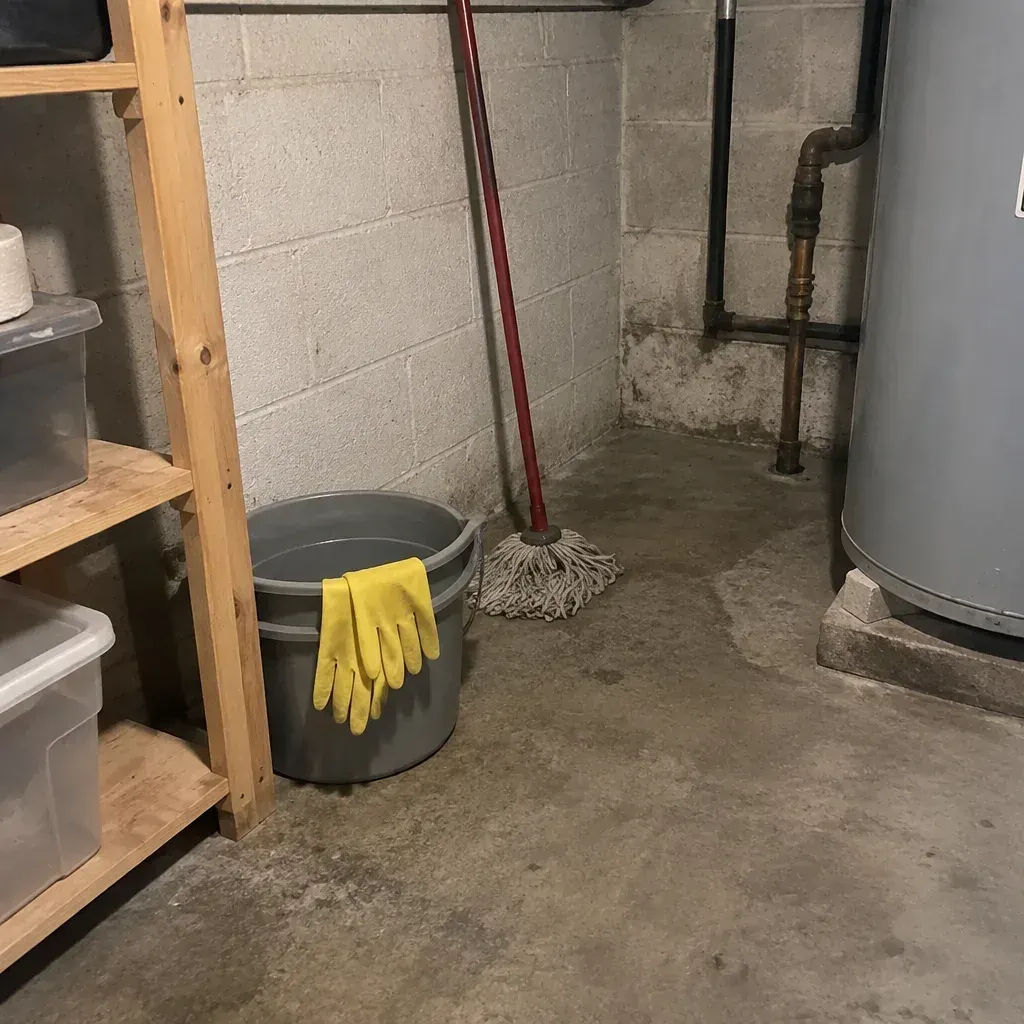
Trace rodent signs through your home to understand likely access and next steps.
South Bend’s winter snow can cover low gaps and foundation edges just when you are trying to work out how rodents got inside. In homes near Howard Park, Leeper Park, or farther from the St. Joseph River, the clues may appear in different places: a pantry, a basement corner, or a wall shared with a utility line. A rodent inspection connects those signs to possible routes through the house. Keep away from droppings and avoid disturbing dusty debris while you wait for professional guidance.
A technician can begin with the rooms you identify, then follow signs through accessible parts of the house and compare them with openings around doors, pipes, and the foundation. In South Bend, snow cover can limit what is visible outdoors, so the visit may focus first on indoor evidence and return to exterior areas when conditions allow. The time and cost depend on how many areas need review and whether access is clear. Findings help shape a control plan and any follow-up checks offered.
With Rodent Inspection, a ranch, split-level, or attached storage space can present different inspection priorities across Granger, Mishawaka and Osceola; how you use each area helps identify where to look.
A homeowner planning rodent service can review residential rodent control; those responsible for rentals or commercial sites should turn to commercial rodent control.
A rodent inspection looks at the pattern of evidence, not just one mark. Droppings beside stored food, fresh gnawing on a package, nesting fragments, or sounds from a wall can help a technician locate rat activity or mouse travel. Note which room each sign is in and whether you saw it again; that history can connect separate clues. In South Bend homes, keep people and pets clear of contaminated material, and do not sweep or vacuum droppings, which can stir dust.
The route between an indoor sign and the outside can be indirect. A technician may inspect accessible spaces and then compare likely travel paths with gaps around a pipe, door, or foundation edge; mice can use narrow openings, while rats may use larger ones. South Bend snowfall can obscure some ground-level access points, so an exterior check may be incomplete during or after snow. Tell the pro where signs appeared, since that can help focus the search when not every edge is visible.
Food and water sources can help explain why rodents keep returning to one part of a home. A technician may review pantry storage, crumbs, pet food, and damp areas alongside the signs, because accessible resources can sustain activity after an entry route is found. In South Bend houses, including homes on different levels or with basement storage, the useful clues may be spread across rooms. Sealed food containers and prompt cleanup can reduce attractants, but they do not close a route into the building.
You share the rooms, timing, and type of evidence; the technician uses that account to choose a sensible starting point inside your South Bend home.
The technician follows accessible signs through rooms and storage areas, looking for patterns that may reveal where rodents travel or feed.
Doors, utility openings, and reachable foundation edges are reviewed for possible access; South Bend snow may obscure some outdoor gaps.
The findings shape control recommendations and any offered monitoring plan, including when devices or activity should be checked again.
South Bend homes range from compact city lots to houses with more storage or multiple levels, so signs in one room may connect to a route elsewhere. A visit that traces both the evidence and accessible openings gives you a clearer basis for choosing control steps. Snow around the St. Joseph River or near Leeper Park can also make some exterior edges harder to assess at a given visit. If routes stay unidentified, activity may continue even after an indoor sign disappears.
South Bend enforces nuisance conditions involving trash and debris, but that does not establish a citywide residential rodent-control requirement. For your home, ask the pro we connect you with what the inspection includes and what any recommended product requires. If bait is proposed, the provider should explain placement and precautions for children and pets; follow the product label. Indiana has a tamper-resistant bait-station requirement for retail food establishments, which should not be treated as a rule for ordinary homes.
Snowfall is a practical limit on an exterior inspection in South Bend: covered ground can hide a low opening or make an edge hard to reach safely. A technician may document visible indoor evidence and accessible exterior areas, then explain what could not be checked. You can share whether a door, storage area, or utility space is difficult to access before the visit. That helps set a realistic scope and identifies where another look may be useful as conditions change.
Treat Rodent Inspection estimates for South Bend as preliminary; the pros we connect you with can confirm the visit fee and provide a written service scope.
| Inspection Notes | Control Approach | Likely Charges |
|---|---|---|
| Few findings | South Bend inspection: review rodent clues and possible access routes; no devices, sealing, or follow-up. | an estimated $80–$175 |
| Several findings | Review activity, then provide agreed trapping or baiting and entry sealing; monitoring is excluded. | an estimated $90–$230 |
| Many findings | Inspection, agreed trapping or baiting, and planned activity checks; no opening seals. | an estimated $80–$175 |
| Concealed findings | Inspection guides agreed control, gap sealing, and monitoring where offered; confirm included work before scheduling. | an estimated $190–$700 |
Trapping or baiting can involve device placement and later attention, while closing access gaps calls for separate work. A plan may include either step or both, based on findings. The pricing guide explains how added tasks and longer-lasting barrier materials can affect the estimate.
A technician compares droppings, gnawing, nesting material, sounds, and where each clue appears to assess rat or mouse activity. No single sign reliably identifies the animal or its route, so the inspection also checks accessible travel areas and possible openings. In South Bend, snow may limit the exterior view. Share the room and timing of each sign so the pro we connect you with can focus the visit.
One sighting tells you that a rodent was present, but it does not show how it entered or whether others are nearby. Write down the room, time, and direction it moved, then note any nearby droppings or damage without disturbing them. In South Bend, that detail can help a technician connect the sighting to signs elsewhere and check likely routes through the house.
Inspection cost depends on the property’s size, the number of areas to review, and how easy those spaces are to reach. A clear account of affected rooms and access limits helps the pro we connect you with describe the likely scope before a visit. In South Bend, snow-covered exterior edges may also affect what can be checked during that appointment.
The findings guide whether the plan may involve trapping, baiting, access-point work, or a combination, based on the site and provider’s approach. The review can also note where activity appears to travel inside the structure. In South Bend, any recommended exterior review may need to account for snow that hides openings.
The visit length varies with the number of rooms and accessible spaces involved, how far signs need to be traced, and whether exterior areas can be reached. In South Bend, winter conditions can leave some ground-level points out of view. Describe the affected areas when arranging an inspection so the pro we connect you with can discuss the expected scope.
Tell the pro we connect you with where and when you noticed signs, which rooms are affected, and whether storage or utility areas have access limits. Mention children, pets, or other safety concerns before the visit. In South Bend, also note if snow has covered parts of the yard or foundation, since that can limit the exterior view.
A planning estimate for rodent inspection is $80–$175 for this work. The recommended service scope influences the cost; the pros we connect you with can confirm what applies to your property.
Sealed food removes an easy source, while open building gaps still need attention.
One mouse cannot give you a reliable count. Learn which clues may suggest more activity, what food and access changes can help, and when South Bend homeowners may want an inspection.
Read article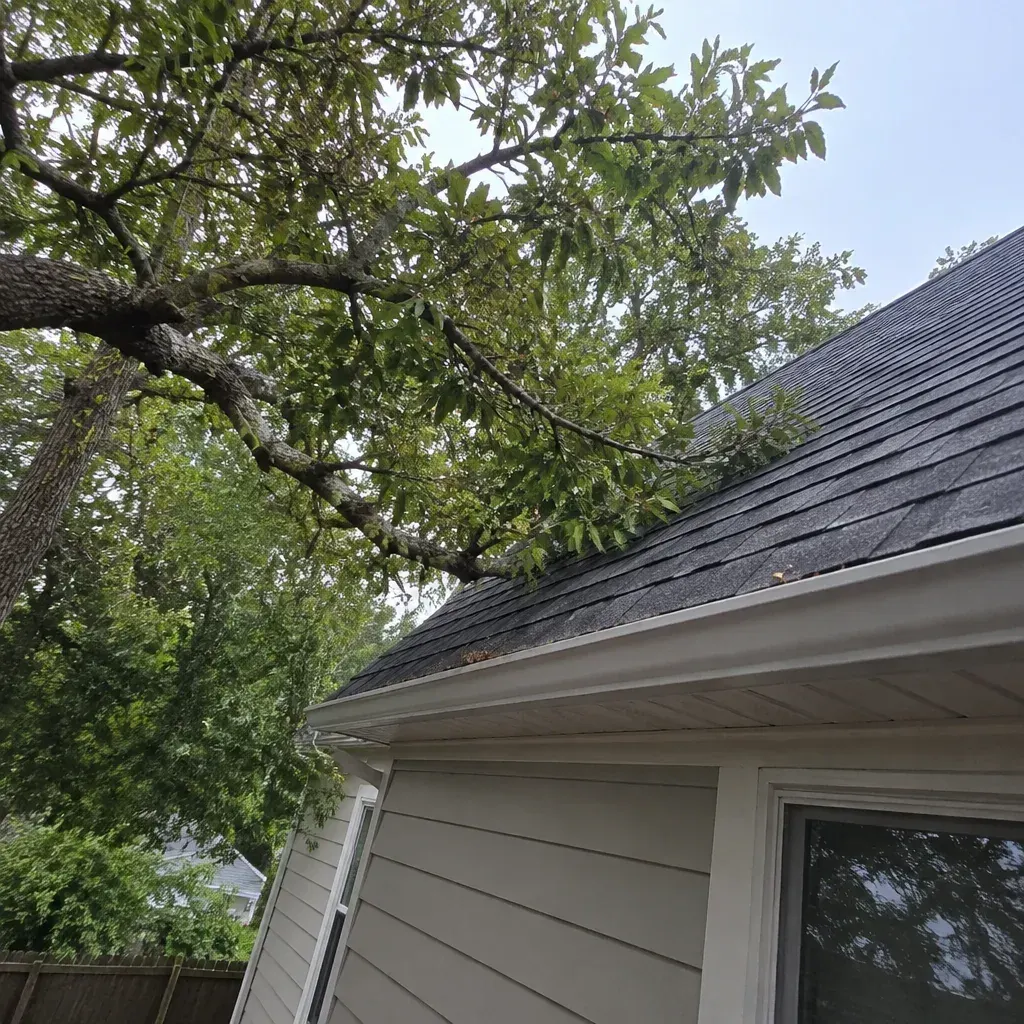
Learn how to recognize shed rodents, remove food and clutter, track possible access routes, and decide when an inspection makes sense in South Bend.
Read article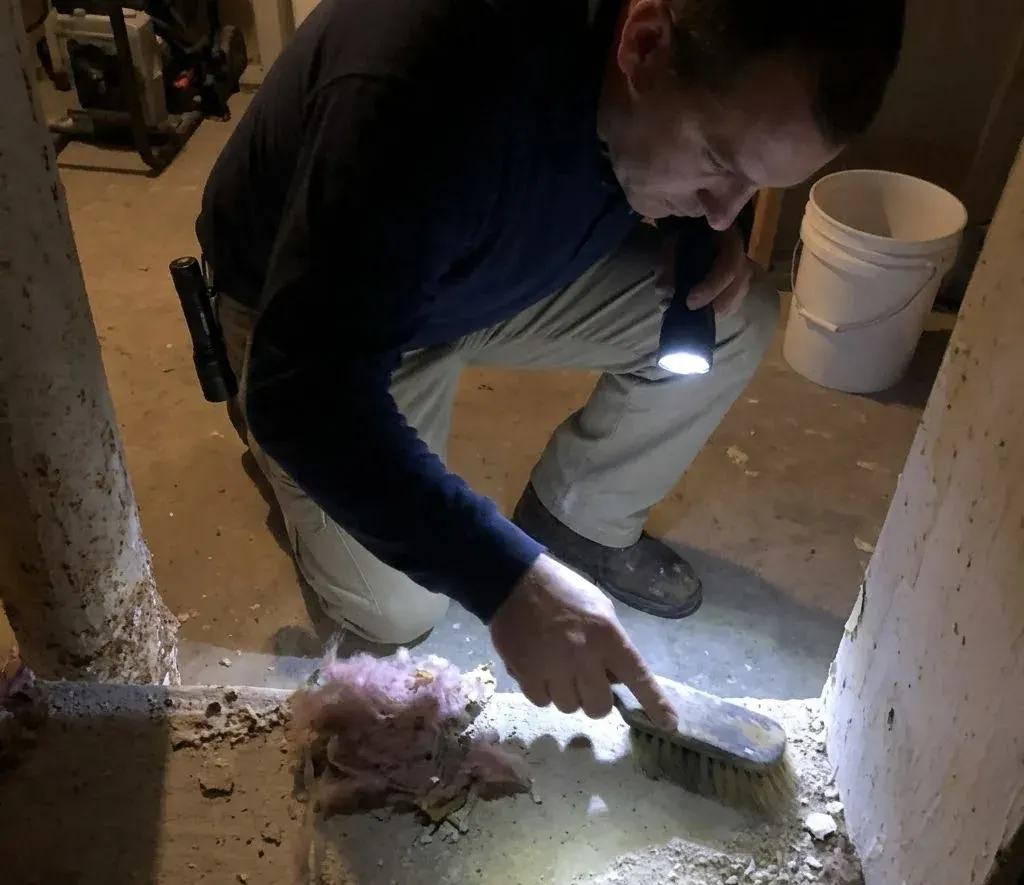
Found possible rodent signs in your South Bend basement? Learn what to note, how to keep people and pets clear, and when an inspection may help.
Read articleIf you are looking for service near Leeper Park or elsewhere in South Bend, provide the property location and the signs you have seen. The pros we connect you with can tell you whether they serve that address and when an inspection might be possible. Ask whether the visit carries a charge, what the written plan would include, and whether follow-up or warranty terms are offered. A clear scope helps you understand the proposed work before scheduling.
Call (574) 891-1078