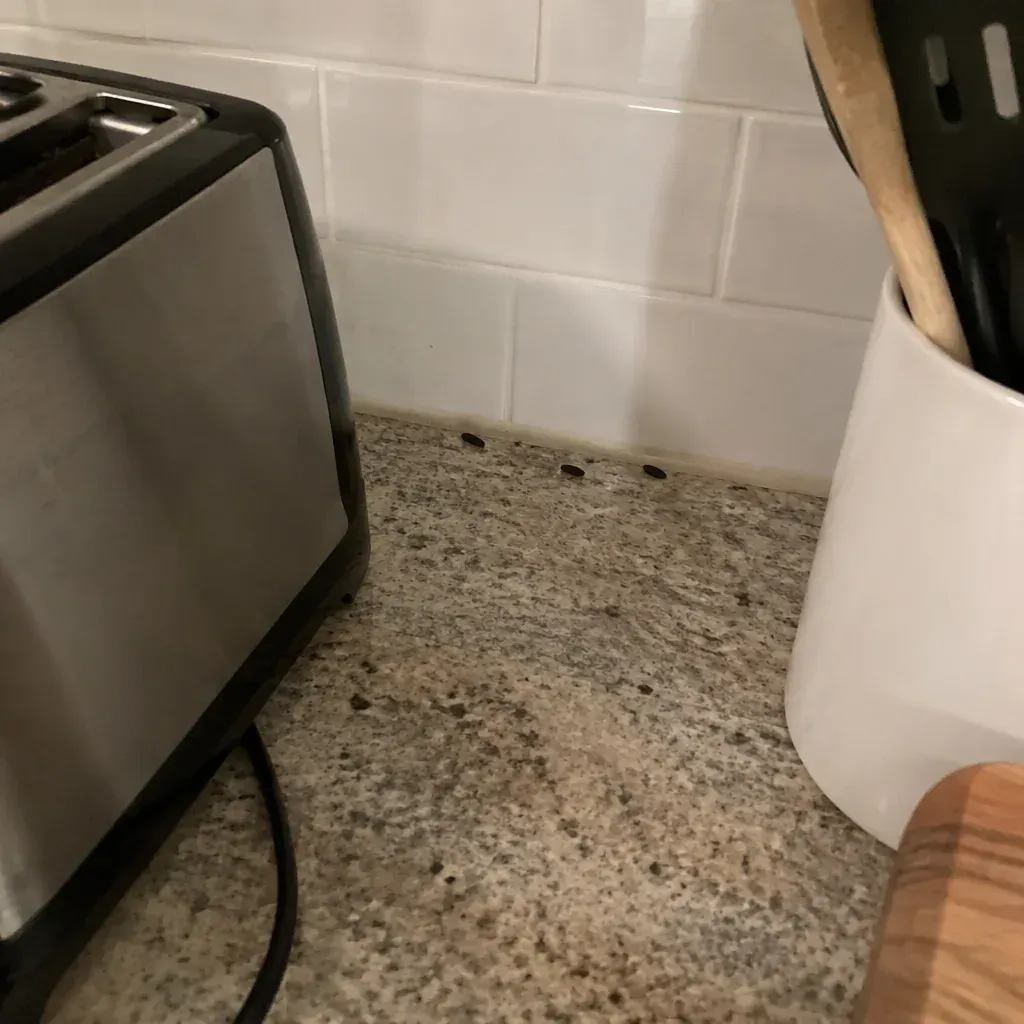
Rodent Warning Signs in South Bend
The goal is to assess the pattern of activity without assuming every mark came from rodents. Check only what you can reach safely; stop if you would need to handle waste or reach into a hidden gap. In a ranch, split-level, or subdivision home, an inspection can compare signs across rooms and look at openings near pipes, doors, and foundations. Those findings help assess whether rats or mice may be present and which prevention steps fit.
You may have evidence of rodents without knowing whether rats or mice left it. Start with what you observed, then use this page to consider possible activity and causes. When the signs could have more than one explanation, an inspection by the pros we connect you with can help assess them and locate possible entry points.
In South Bend, treat waste and nesting debris as potentially contaminated. Do not clean in a way that stirs up dust, and stop if reaching the affected area would disturb a hidden space. Keep food in sealed containers and crumbs cleared, while recognizing that tidiness does not close an entry gap. The licensed pros we connect you with can help assess which prevention steps fit the signs present. Follow its label and ask the pros we connect you with about placement and precautions. Handle any device that needs attention according to its label.
Signs of rodent activity needing prompt attention
Rodents indoors can reach food or household surfaces, while signs near a gap may point to an access route needing attention.
| Signs you noticed | What they may indicate | How soon to address them | Read more |
|---|---|---|---|
| Dead Rodents Found The body is small and still, with short legs, fur, and a narrow tail; its coat may be gray or brown. Its ears, paws, and whiskers may be visible, depending on how the body is positioned. A body can feel stiff or limp, but do not handle it to find out. | A dead rodent confirms that a rat or mouse was present, but it cannot tell you whether others remain or where they entered. Keep children and pets away, avoid disturbing dust nearby, and contact the pros we connect you with for removal guidance and an inspection. The area around the body can also matter when deciding what parts of the home need inspection. | As the body remains, it can dry out or decompose, and nearby droppings or urine can add concerns during cleanup. Keep the spot undisturbed and seek removal guidance promptly; at a home near Leeper Park, leaving it through the coming days can make cleanup more difficult. | Rodent Inspection |
Signs worth having inspected
Rodent signs may not call for emergency service, but delaying can give activity time to spread.
| Signs you noticed | What they may indicate | How soon to address them | Read more |
|---|---|---|---|
| Rodent Urine Odor Unlike a stain, the odor has no edge you can trace with your eyes: it leaves no fixed outline, shade, or raised surface. You may notice a pungent, stale scent in a room or along a wall, ranging from faint to hard to ignore. There is no texture to feel by touch. In South Bend, it may be noticed indoors in any style of home. | In South Bend, a sharp or musty urine smell can be a clue that rodents have been active nearby, though odor alone cannot confirm them. Note where it is strongest and whether you find pellets or tooth damage; the pros we connect you with can inspect the area and openings around your home, including homes near Leeper Park, Beutter Park, and Rum Village Park. | An odor that remains can linger in rooms and fabrics while activity continues unseen. In South Bend, closed-up rooms during snowy winter weather can keep the smell noticeable; an inspection while it is localized may help clarify whether it is lingering or spreading. | Rodent Inspection |
| Rodent Nesting Materials A clump may be compact or scattered, with ragged edges and a soft, papery, or fibrous surface. Its color varies with the material, from pale or brown paper and cloth to grayish insulation. It may sit along a wall edge, in a tucked corner, or in an overhead cavity; its outline is irregular rather than uniform. | Rodent nesting materials are pieces gathered or torn into a sheltered bundle. Their presence can point to rodent activity, though it does not prove a nest is occupied. Loose fibers can cling to nearby surfaces when rodents carry material toward shelter. An inspection can assess it alongside other signs and possible entry gaps. | An unexamined bundle leaves the route and extent of activity uncertain. If an opening remains usable, rodents can keep entering, and additional material may appear over the following weeks. South Bend’s winter snowfall makes checking possible access points useful across seasons. | Rodent Inspection |
| Rodent Tracks On a dusty floor, shelf, or ledge, prints look like tiny paired impressions, sometimes with toe marks. A tail can leave a narrow, wavering streak between or beside them. The marks may be gray against pale dust; the dust itself feels loose and powdery. A cluster of marks can show where the animal paused or changed direction. | Rodent tracks are impressions left when an animal crosses a dusty surface; a tail may brush a thin line beside them. They can map a route, but one mark cannot confirm current activity or identify the animal. In South Bend, note the room and surface, then share a clear photo with the pros we connect you with. | If a route stays accessible, fresh marks may appear as activity continues, and the trail can persist until access is addressed. In South Bend, a repeat trail in a home near Howard Park merits attention; tracks alone do not establish how recently an animal passed. | Rodent Inspection |
| Rodent Sightings A rodent sighting is the animal itself, seen inside a room or other part of the home. It may be moving or still; what you can describe is its visible outline, coloring, and approximate size. This is a direct view of a rat or mouse, not a mark, sound, or material left behind. | Seeing a rat or mouse inside tells you it reached an indoor space, but one view cannot show where it entered or whether it returns. Note the room and time, keep children and pets clear, and contact the pros we connect you with for an assessment. In South Bend, Howard Park, Leeper Park, and Potawatomi Park are local reference points; findings at your home guide next steps. | An animal seen indoors may return while an opening remains accessible. South Bend’s snowy winters make checking building gaps relevant as cold weather sets in; arranging an assessment can help identify possible access before activity continues or further signs appear. | Rodent Inspection |
| Rodents Seen During the Day In South Bend, the animal may appear as a compact gray, brown, or nearly black shape with a pointed nose, small rounded ears, whiskers, and a narrow tail. It may dart along a baseboard, beneath cabinets, or beside a wall. Its coat looks short and smooth or slightly coarse; you do not need to touch it to identify these features. Rum Village Park and Potawatomi Park are nearby place names, not sighting locations. | A rodent moving around in daylight is a reason to pay attention, but one sighting cannot show how much activity is present. In South Bend, note where you saw it and whether it happens again. Check nearby areas for droppings or gnaw marks, and ask the pros we connect you with to inspect possible access gaps, including around pipes and doors. McCoy's Creek Trail is a local reference point, not evidence of activity at your home. | An open gap can let activity continue, so repeated sightings or fresh signs warrant an inspection in the coming days. In South Bend, a lone daytime glimpse does not establish the extent; if routes remain open, activity may persist over the following weeks. A follow-up check can show whether control needs adjustment. | Rodent Inspection |
| Rodent Rub Marks The mark is a dull brown or black smear, often narrow and uneven, with streaks that may run along a wall, pipe, or baseboard. It can look oily or slightly shiny against a lighter surface. The edges may be fuzzy or rubbed thin, and the deposit may feel slick or waxy if touched. | Rodent rub marks are residue that may indicate rodents repeatedly using a route. A smear can form when an animal’s coat brushes against a surface. Note its position and ask the pros we connect you with to assess nearby travel paths and possible openings before recommending control steps. | If a route stays usable, repeated travel can leave new residue over the coming days or weeks. In South Bend, have the area assessed when you notice the mark, since activity may continue while nearby access points remain open. | Rodent Inspection |
Signs to keep an eye on
No clear harm so far; signs can still warrant a look.
| Signs you noticed | What they may indicate | How soon to address them | Read more |
|---|---|---|---|
| Rodent Urine Stains Possible rodent urine staining may appear as a pale yellow, tan, or brown trace, sometimes a small spot or narrow streak on a lower wall, trim, or floor edge. In a South Bend split-level near Leeper Park, it may look dull when dry or slightly glossy when damp; its surface can feel smooth or faintly tacky. | A suspected urine mark is a clue to investigate, not proof that rodents are present now. In a South Bend home near Howard Park, note its location and whether similar marks recur, then keep people and pets away while you arrange an assessment. Droppings, gnawing, or nesting material nearby can add context; an inspection can help assess what the other signs support. | Repeated deposits can leave a wider, darker patch over days, and rodent urine may carry germs. For a South Bend home near Merrifield Park, note recurring marks through snowy winter conditions; leaving them unexamined can make it harder to tell whether new staining is appearing. | Rodent Inspection |
| Pets Reacting to Rodents The sign is a pattern of attention: a dog may nose along a baseboard or hold still facing a low opening, while a cat may crouch, track a fixed point, or return to the same cabinet edge. You might see ears forward, body lowered, or a paw lifted. A faint sound or scent from a gap can hold a pet’s attention even when nothing is visible. | A pet repeatedly focusing on one wall, cabinet, or floor area can give you a place to check, but the behavior by itself does not establish rodent activity. In South Bend, note where and when it happens, keep your pet from reaching into gaps, and look from a safe distance for droppings, gnaw marks, or openings. Homes near Merrifield Park or Beutter Park need the same careful check. | If rodents are present, activity can persist while they still have a way indoors, and a pet may keep returning to the same area. In South Bend, have the location checked before signs spread to other parts of the home; timing depends on what an inspection finds. | Rodent Inspection |
| Rodent Fur Found In a South Bend house near Leeper Park, rodent fur may appear as separate slender strands or an uneven wisp, in shades from pale tan to charcoal. It can catch on a rough baseboard edge or lie where the floor meets a wall. The hairs look soft and feel light between your fingers. | Hairs in a South Bend home are a clue to check, not proof of rodents or a measure of how many may be present. Note the spot and whether you find more there. The pros we connect you with can assess the fur alongside nearby signs and possible travel routes, then explain what the findings support. | If rodents are using a route near Howard Park or elsewhere in South Bend, activity may continue indoors and leave additional signs over days or weeks. Fur that appears again deserves attention because an open route can remain in use. | Rodent Inspection |
Service Questions
What does rodent urine odor mean?
In South Bend, a sharp or musty urine smell can be a clue that rodents have been active nearby, though odor alone cannot confirm them. Note where it is strongest and whether you find pellets or tooth damage; the pros we connect you with can inspect the area and openings around your home, including homes near Leeper Park, Beutter Park, and Rum Village Park.
What does rodent nesting materials mean?
Rodent nesting materials are pieces gathered or torn into a sheltered bundle. Their presence can point to rodent activity, though it does not prove a nest is occupied. Loose fibers can cling to nearby surfaces when rodents carry material toward shelter. An inspection can assess it alongside other signs and possible entry gaps.
What does rodent tracks mean?
Rodent tracks are impressions left when an animal crosses a dusty surface; a tail may brush a thin line beside them. They can map a route, but one mark cannot confirm current activity or identify the animal. In South Bend, note the room and surface, then share a clear photo with the pros we connect you with.
What does rodent sightings mean?
Seeing a rat or mouse inside tells you it reached an indoor space, but one view cannot show where it entered or whether it returns. Note the room and time, keep children and pets clear, and contact the pros we connect you with for an assessment. In South Bend, Howard Park, Leeper Park, and Potawatomi Park are local reference points; findings at your home guide next steps.
What does rodents seen during the day mean?
A rodent moving around in daylight is a reason to pay attention, but one sighting cannot show how much activity is present. In South Bend, note where you saw it and whether it happens again. Check nearby areas for droppings or gnaw marks, and ask the pros we connect you with to inspect possible access gaps, including around pipes and doors. McCoy's Creek Trail is a local reference point, not evidence of activity at your home.
What does rodent urine stains mean?
A suspected urine mark is a clue to investigate, not proof that rodents are present now. In a South Bend home near Howard Park, note its location and whether similar marks recur, then keep people and pets away while you arrange an assessment. Droppings, gnawing, or nesting material nearby can add context; an inspection can help assess what the other signs support.
What does pets reacting to rodents mean?
A pet repeatedly focusing on one wall, cabinet, or floor area can give you a place to check, but the behavior by itself does not establish rodent activity. In South Bend, note where and when it happens, keep your pet from reaching into gaps, and look from a safe distance for droppings, gnaw marks, or openings. Homes near Merrifield Park or Beutter Park need the same careful check.
What does rodent fur found mean?
Hairs in a South Bend home are a clue to check, not proof of rodents or a measure of how many may be present. Note the spot and whether you find more there. The pros we connect you with can assess the fur alongside nearby signs and possible travel routes, then explain what the findings support.
What does rodent rub marks mean?
Rodent rub marks are residue that may indicate rodents repeatedly using a route. A smear can form when an animal’s coat brushes against a surface. Note its position and ask the pros we connect you with to assess nearby travel paths and possible openings before recommending control steps.
What does dead rodents found mean?
A dead rodent confirms that a rat or mouse was present, but it cannot tell you whether others remain or where they entered. Keep children and pets away, avoid disturbing dust nearby, and contact the pros we connect you with for removal guidance and an inspection. The area around the body can also matter when deciding what parts of the home need inspection.
Match Signs to a Next Step
Start with the location of the sign in your South Bend home: under a sink, along a wall, or near stored food. Avoid stirring dust if droppings need cleanup, since contaminated dust can carry germs. Tell the pros we connect you with what you found and ask whether an inspection can assess activity and possible access points. Before scheduling, clarify the visit charge, the written scope, and whether any proposed work is priced separately.
Call (574) 891-1078