Identify Possible Rodent Signs
If you find possible rodent signs in a South Bend basement, stop before touching or moving anything suspicious. Droppings, chewed edges, or bits of shredded material can suggest mice or rats, but one clue alone does not confirm what is happening. The pros we connect you with can discuss homes across the area, including Mishawaka and Osceola, while focusing on the evidence in your basement. First, keep people and pets away; then note where signs appear and whether you see them again.
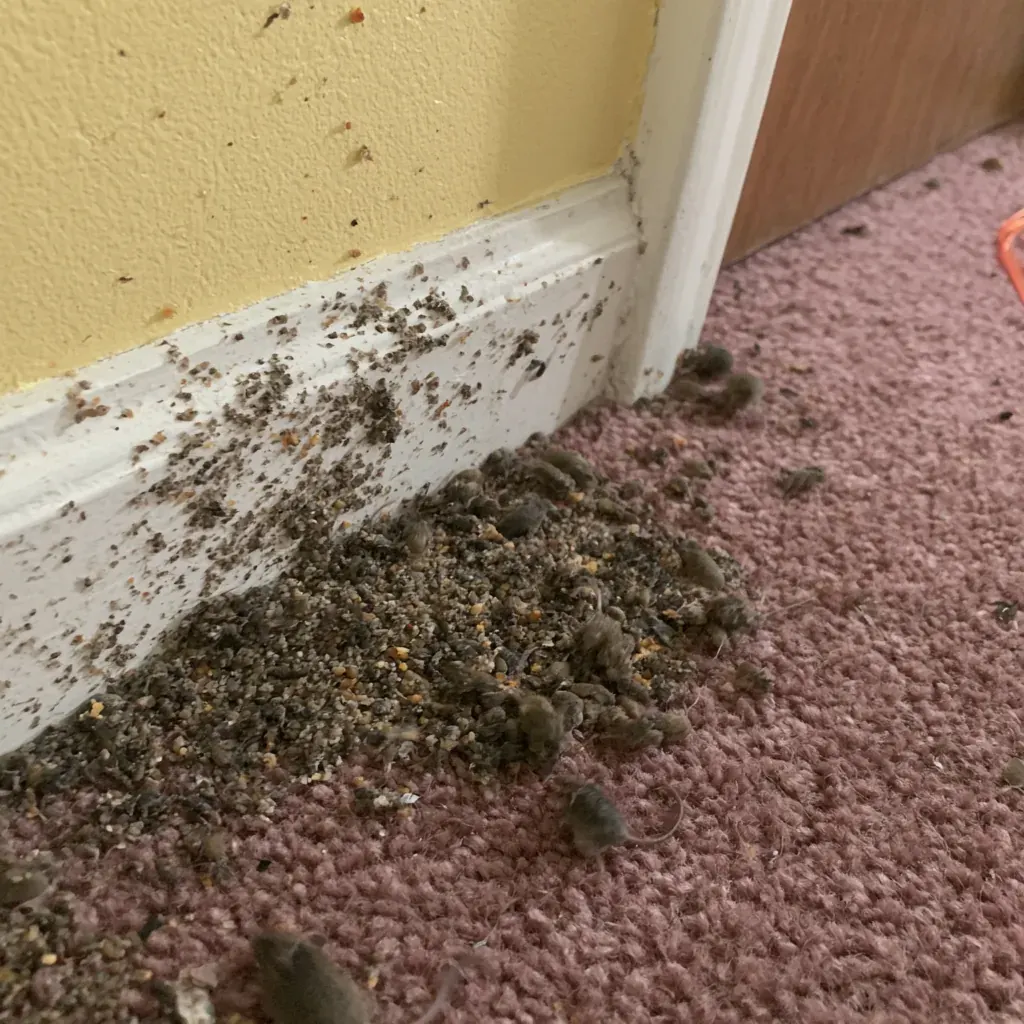
Look at the pattern from a safe distance. Small dark pellets, tooth marks on a carton, or torn paper tucked behind stored items can point to different kinds of activity; a suspected nest may be a compact pile of soft scraps. In a South Bend ranch or split-level, signs along a wall or near stored belongings help describe the location without disturbing it. A single mark may have another explanation, so record what you can see rather than deciding which animal caused it.
Keep Household Members Away
Droppings near stored belongings can indicate where rodent activity has occurred. Rodent waste can carry germs, and sweeping or handling it may stir contaminated dust into the air. Do not investigate by moving piles or reaching behind stored belongings. In South Bend, a basement used for laundry or storage may be part of the daily household route, so redirect people around the area until you know more. If you cannot keep others away, close off access to that section.
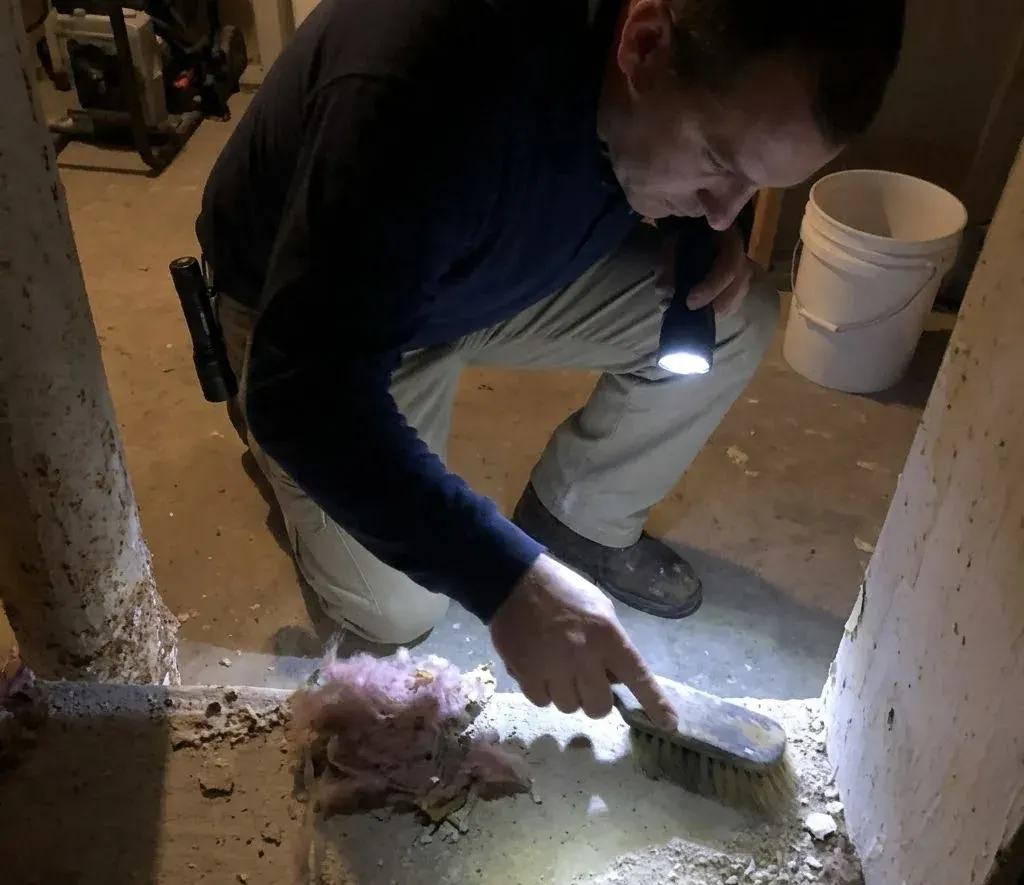
Make a simple record from a safe spot: describe the clue, mark its location, and note whether it returns. A photo taken without approaching the material may help explain what you saw. When you contact the pros we connect you with, share whether the signs were near a doorway, stored goods, or a utility line. That context can help frame the conversation about an inspection. If evidence keeps appearing in your South Bend basement, request an assessment instead of guessing at a treatment.
Limit Food and Hidden Spaces
Stored belongings can conceal activity and leave little room to spot where signs begin or end. Note blocked corners and crowded shelves, but do not shift items across the affected area just to get a better look. In a South Bend basement, reducing clutter in unaffected areas can make later observation easier, while leaving suspicious material undisturbed protects the household. Food sources matter too: accessible pantry goods, pet food, or crumbs may give rodents a reason to remain nearby.
Put food and pet supplies in closed containers, and keep crumbs or scraps from remaining accessible. These steps can make a basement less useful as a feeding spot, but they do not close a gap that lets rodents indoors. South Bend homes near Baugo Creek still need attention to both household conditions and possible access; a tidy shelf alone cannot explain or resolve signs that continue. Note any damaged packaging, then tell the pros we connect you with what you observed.
Assess Entry and Next Steps
Keep children and pets away from suspected droppings, gnawed items, or shredded nesting material, and do not disturb it. In a South Bend basement, note the shelf, wall, or stored box where each clue appears and whether it looks fresh or old. That pattern can help the pros we connect you with understand where activity may be concentrated. A home near Howard Park and a split-level near Rum Village Park have the same immediate priority: limit access to the area and record what you see.
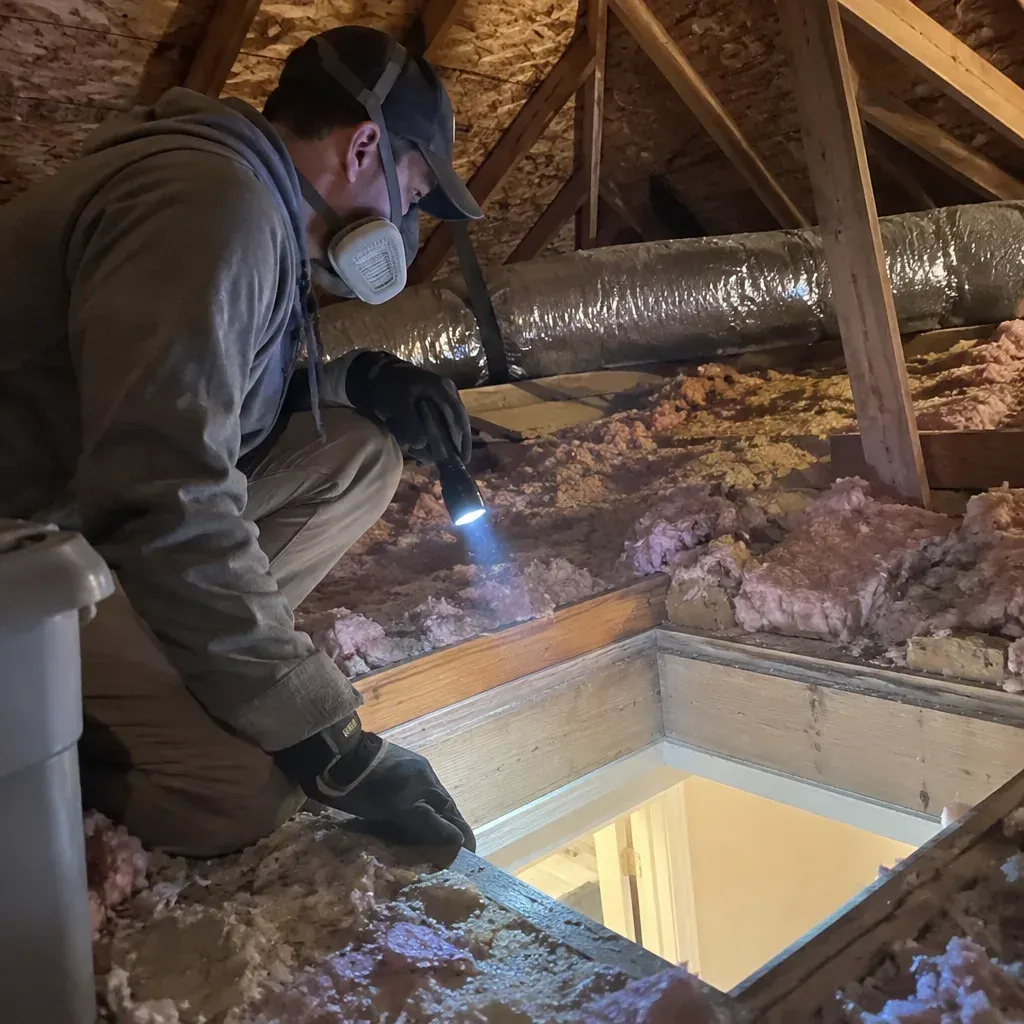
After noting the signs, look from a safe distance for conditions that may support repeat visits: exposed food, crumbs, crowded storage, or a visible gap where a pipe meets the wall. Mice can fit through narrow openings, while rats can use larger gaps, so a basement clue can matter even when the animal is no longer visible. Keep food sealed and reduce clutter without disturbing suspicious material. If evidence keeps appearing, request an inspection. Whether your South Bend home is near Potawatomi Park or elsewhere, describe where the signs appeared.
Dealing with rodent activity in your home?
Note which areas you have checked before deciding how to proceed. Ask what information is useful when checking whether a visit is available. Avoid stirring up dust if you clean contaminated material. Ask the pros we connect you with whether they serve your address; if you are asking about Baugo Creek, Osceola, or Niles, confirm that too. Check visit availability, timing, and any charges directly with them.