Apartment Building Rodent Control
South Bend • Howard Park
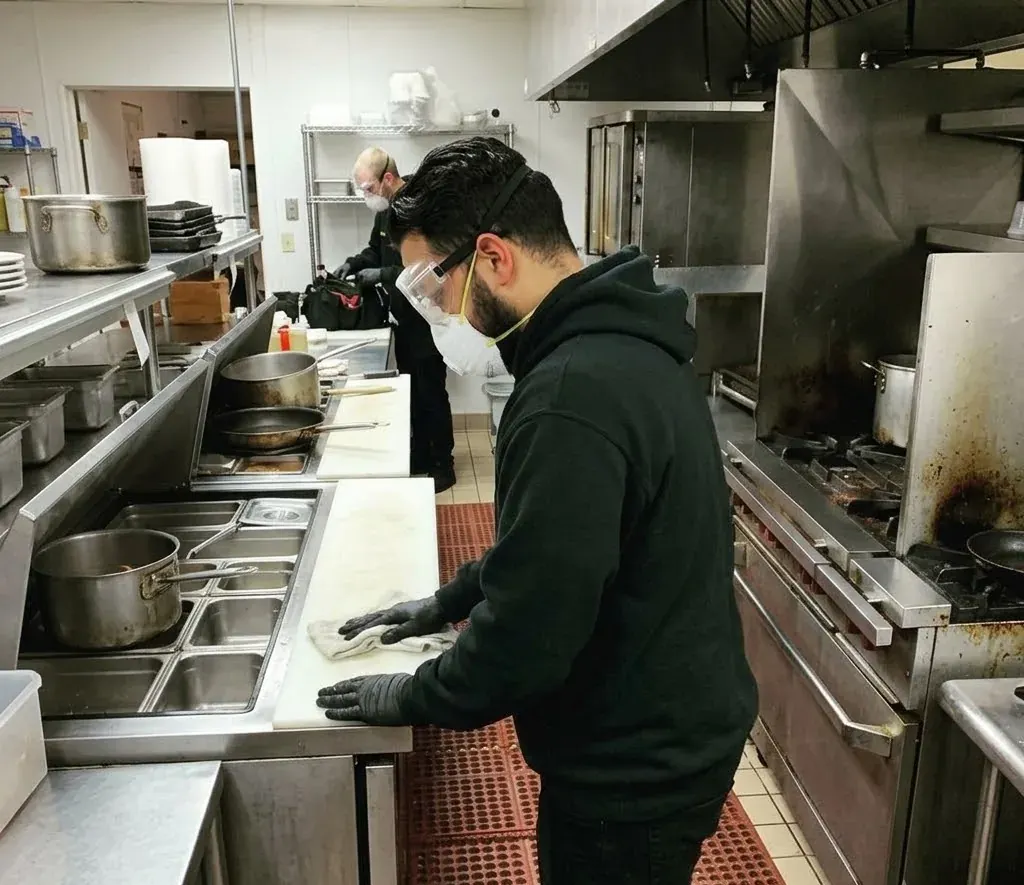
Coordinate one restaurant rodent control scope across addresses while keeping inspections and follow-up tied to each site.
A restaurant can reduce repeat rodent problems by protecting food, correcting sanitation and entry issues, and tracking signs separately at each address. Share operating hours and access limits with the pros we connect you with, then use site-specific follow-up records to see what needs attention.
Restaurant rodent control across several South Bend addresses works best when the group shares a clear scope and each restaurant keeps its own findings. A sighting in a dry storage area calls for a different response than signs by a delivery entrance, so one generic plan can miss what is driving activity at a particular site. You can make the work more consistent by defining common reporting and review practices while letting inspection findings guide site-level corrections. That gives managers a way to compare patterns without treating every kitchen alike.
Start by listing each address, the areas staff can access, and the times those spaces are available for inspection. At a South Bend restaurant, food storage, waste handling, receiving, and service spaces may have different access rules and daily routines. The pros we connect you with can use those details to assess where signs appear and where rodents might be entering. If the group also operates in Mishawaka, keep that address distinct in the scope so local findings stay tied to the right building and manager.
During service, protect exposed food and pause work in any affected area when staff cannot handle it safely. Set a clear handoff for who may restrict access, move food, and alert the manager, because unclear roles can leave a contaminated surface in use. Restaurant mice may be noticed in a storage or service area before anyone sees them elsewhere. Record the location and circumstances, then arrange an assessment instead of assuming that activity in one dining room explains what is happening across the group.
A useful group log gives every restaurant a shared way to report activity while preserving each site's identity. Choose consistent labels for rooms and common fields for the date, sign observed, and person reporting it; managers can then compare records without confusing one address with another. In South Bend, a report from the dish area should remain attached to that restaurant and room. Clear labels help the pros we connect you with follow a finding over time and help your staff direct attention to the right place.
Access arrangements belong beside the observation because they can affect what an inspection can cover. Note when deliveries block a route, when a room is locked, and which manager can arrange entry; these details help the site coordinate a practical review around its operation. A group with a South Bend location and another near Battell Park should not rely on one manager's schedule to describe both. Keep each address's operating hours and access contact current, particularly when staffing or room use changes.
| Site detail | Observed conditions | Next action |
|---|---|---|
| Site identity | South Bend address and unit | Keep findings tied to the right location |
| Map cues | Merrifield Park, Beutter Park, or Battell Park | Use landmarks only where they fit the address |
| Activity evidence | Sightings and signs by room or zone | Compare reports without merging separate patterns |
| Food handling | Food protection needs during open hours | Flag controls staff can maintain while serving |
| Food handling | Container condition and shelf access | Note corrections for each storage area |
| Waste route | Waste staging and removal routine | Identify site-specific sanitation changes |
| Building openings | Entry limits and staff contact | Match access arrangements to each schedule |
| Review schedule | Device condition and continued activity | Review results before adjusting the shared scope |
Food and waste conditions can help explain why activity persists at one address while reports remain quiet at another. Ask staff to note accessible crumbs, open food containers, or waste that is not secured, then assign a correction and record when it was completed. Store ingredients in sealed containers and clear food residue, since available food can sustain rodent activity. These steps support restaurant rodent control, but they do not block an opening in a wall or beneath a door, so keep sanitation findings separate from access repairs.
When staff find droppings or other contamination, protect people and food before cleanup. Avoid sweeping or vacuuming dry material in a way that sends dust into the air; follow appropriate cleanup guidance and note which surface was affected and what action followed. Keep the incident record factual, without treating a cleanup as proof that the underlying activity has stopped. At a South Bend site, a manager can use that record to tell the next shift what area to avoid and whether it is ready for normal use.
Repairs should follow the route found during inspection, not a guess based on a report from another restaurant. Have staff note the location and appearance of a suspected opening around a door, pipe, or utility line, then route the repair to the person responsible for the building. Small gaps can provide access, and leaving them open may allow activity to return after other control steps. A shared repair process helps a group track outstanding work while each South Bend address retains its own list of openings and corrections.
Keep the service record tied to the address, inspection area, findings, and agreed corrective work. It should show what the assessment identified and which actions belong to restaurant staff, property maintenance, or the service provider. That division matters when several managers share oversight: without a named owner, a repair can sit undone while each person assumes someone else has handled it. The pros we connect you with can discuss findings with the appropriate contact, and your records can preserve that decision for later review.
If a service plan uses traps or bait stations, ask how their locations will be documented and who will check them. During restaurant operations, devices must be placed with food handling, staff movement, and access to the area in mind. Indiana requires covered, tamper-resistant rodent bait stations at retail food establishments; ask the provider how the plan addresses that requirement at your site. Keep device information with the individual restaurant's record so a manager at another South Bend address does not mistake its placement or checking responsibilities.
Follow-up monitoring is more useful when it tests a specific concern from the earlier assessment. Compare new observations with the same room labels and note whether signs appeared at a known access point, in a different area, or not at all. If activity continues, the record gives the provider a basis to review the existing steps and identify what needs attention. If reports stop, retain the history; a quiet period alone does not show which correction helped or whether an unresolved opening remains.
For a group with several addresses, build a single review rhythm around separate site records. A manager can look across the locations for recurring types of findings, while decisions about repairs and follow-up remain specific to each building. For example, reports from South Bend and near Central Park may share a category but differ in the room, access conditions, and work already completed. Keep those distinctions visible; combining records into one undifferentiated account can hide a persistent issue at a single restaurant.
Before requesting an assessment, gather sighting notes, affected areas, operating hours, and access needs for every address in scope. Add any relevant service history and note which sanitation or maintenance corrections are pending. A manager overseeing a South Bend restaurant and another location can provide a concise, site-by-site picture instead of asking the provider to reconstruct events from separate conversations. This preparation helps the pros we connect you with understand the operation and assess each building on its own findings.
Agree on who will receive findings, approve access, and report completed repairs across the group. That contact plan should account for shift changes and make clear when a site manager must alert the person overseeing multiple addresses. If one restaurant near Battell Park reports a new sign, the appropriate decision maker should see that location's record promptly, without confusing it with a report from South Bend. With a current contact list and organized notes, you can request a site-specific assessment and ask how rodent follow-up monitoring will be handled.
For restaurants with several South Bend addresses, agree on one service scope while keeping findings tied to each site. A location near Howard Park and another near Leeper Park may have different access limits, food storage layouts, and operating hours, so one site’s notes should not stand in for another’s. Rodent follow-up monitoring costs can depend on how many areas need checking, access arrangements, and the schedule in the service plan. Compare the same kinds of records across locations, then ask the pros we connect you with to recommend checks for each address.
Across St. Joseph, the pros we connect you with can discuss rodent assessment and control for residences; use these community links to check address-level coverage, includingSouth Bend, Granger and Mishawaka. If your property is near the edge of coverage, verify availability and ask whether travel or individual visits add charges.
For an office portfolio, charges are commonly set per visit and adjusted for the space included and how regularly service is planned. A review can also note which areas show signs of rodent activity. Multiple buildings, storage rooms, entry-gap review, device placement, sealing tasks, and monitoring needs can broaden the inspection and control work in the quote.For a South Bend business, the area needing attention, access constraints, device locations, and any requested sealing can change the materials and labor in the plan, which changes the quote. When you call, describe the building’s use, affected rooms, and signs found so the pros we connect you with can size the work.Find complete rodent-control band details in pricing guide; commercial overview outlines the parts of a scheduled program.
South Bend • Howard Park
Office Rodent Service
Warehouse Rodent Control
Write down when staff noticed the sign, which room or work area it was in, and what was observed. Include whether the restaurant was receiving deliveries, preparing food, or closed, since those conditions can help explain where access or food sources may be present. Keep the note with that address’s record; a report from a South Bend location should not be attributed to another site.
Share service and preparation hours, delivery windows, and times when rooms are locked before planning access. Identify who can open restricted areas and which work zones need to remain clear during service. In South Bend, each address may have different operating constraints, so confirm timing and access separately with the pros we connect you with rather than assuming one schedule works for every restaurant.
Keep food covered or secured when it is not being handled, clear spills as they happen, and make waste areas part of routine cleaning. These steps reduce food sources, but they do not close openings rodents may use to enter. Ask staff to report damaged packaging or signs near storage and service areas so the restaurant can address the affected location and review possible access routes.
Give each address its own inspection notes, access instructions, and follow-up record, then compare findings across the group for patterns. A South Bend restaurant group might identify sites by distinct references such as U.S. Route 20, Howard Park, or Leeper Park, but the street address should anchor each record. Ask the pros we connect you with to define which locations and areas fall within the shared scope.
Tell us what outcome matters most so the licensed pros we connect you with can keep the assessment focused on your concerns.
Call (574) 891-1078