Warehouse Rodent Control
Warehouse Rodent Control
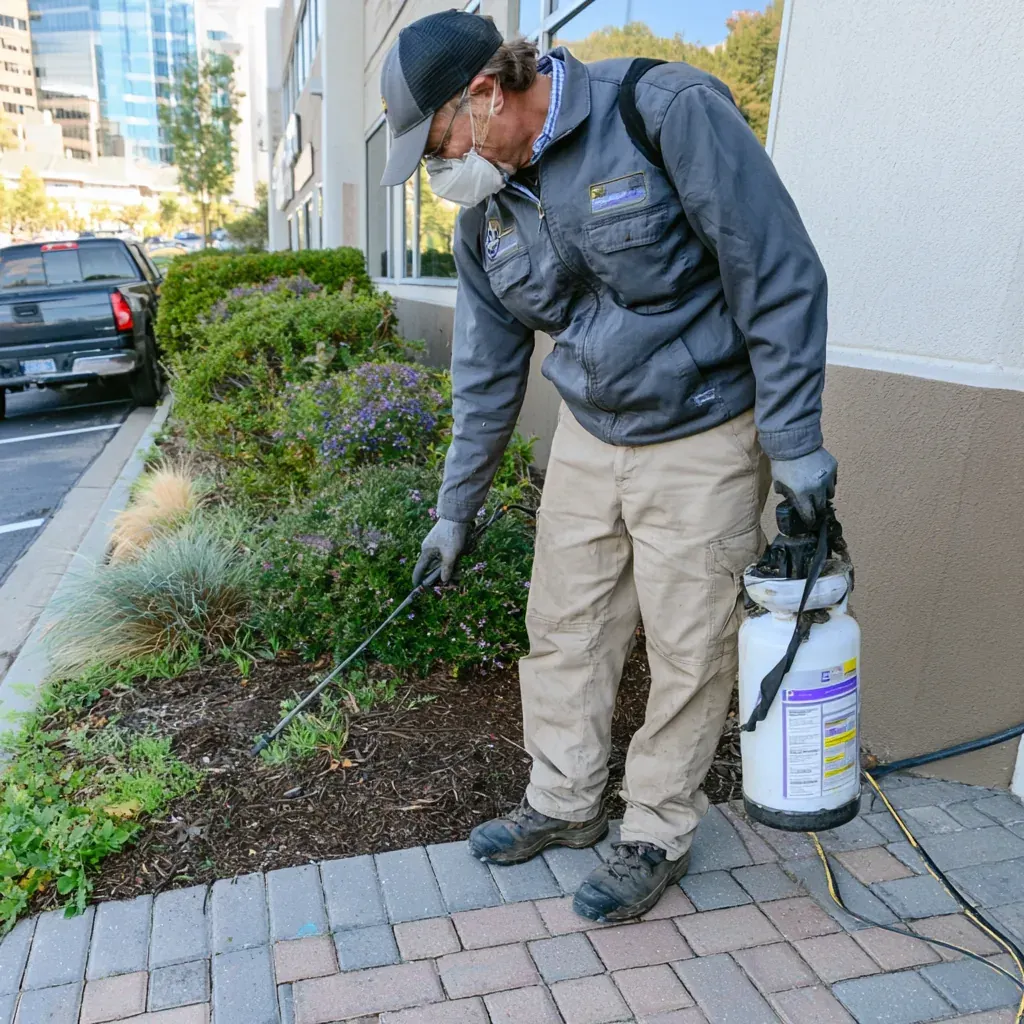
Clear activity records help South Bend offices plan service visits around staff, visitors, and room access.
Offices can limit disruption by sharing activity locations, access rules, and operating constraints before service. Keep dated records of findings and follow-up, and set a staff reporting route so the pros we connect you with can plan visits around employees and visitors.
Office rodent control in South Bend works best when service fits the way each workplace runs. You can limit interruptions by identifying where activity has been noticed, which rooms must be reached, and when those rooms are available. That information helps the pros we connect you with plan an assessment around staff and visitor traffic. Keep the focus on practical records: what was reported, what access was arranged, and what the next step will be. A clear plan gives employees fewer surprises and gives you a useful basis for tracking changes.
A record should distinguish a breakroom concern from activity near stored supplies or a utility area, since each may require different access and follow-up. In South Bend, note the area and how it is used, without assuming every office has food handling or the same storage needs. If food is present, record whether it is kept in sealed containers and whether crumbs are accessible. These details help the pros we connect you with focus the assessment and make recommendations that suit the space.
When an organization has more than one office, records can show which conditions belong to each address instead of blending separate reports together. Keep a local contact and access notes with each site entry, then use a shared record to see outstanding requests and completed work. That approach can help South Bend managers coordinate service without treating every workplace as identical. If one location has a concern near Howard Park and another does not, the record should preserve that distinction rather than imply activity is shared.
A useful service record starts with the report itself: what was observed, which part of the office was involved, and when staff brought it forward. In South Bend, keeping the original observation separate from later conclusions makes the history easier to follow. Droppings, gnaw marks, nesting material, or sounds can be relevant signs, but a report alone does not establish their cause. When details are recorded clearly, the pros we connect you with can compare later findings with the initial concern and explain what has changed.
Make access arrangements part of the service history. Record who can open a room, any visitor or employee limits, and whether the space is available only during a particular operating window. For a South Bend office near Potawatomi Park, for example, the record should describe that workplace's own constraints rather than assume they match another site. This information can reduce delays when a scheduled visit depends on a keyholder or a room being clear. Update the entry when contacts or access conditions change.
| Office area | Available hours | Reported signs |
|---|---|---|
| Activity location | Log the floor, room, or shared area | Compare notes to find repeated locations |
| Report timing | Note when employees observed signs | Look for changes in reported timing |
| Area function | Mark food, storage, or utility use | Connect site conditions to operating limits |
| Access contact | Name the person who can arrange entry | Coordinate access for the relevant area |
| Work window | Record quieter hours and visitor periods | Plan visits around office routines |
| Location cue | Add Battell Park as a cue only if useful | Keep the address tied to its South Bend site |
| Visit notes | Summarize observations and areas covered | Compare service notes across visits |
| Follow-up status | Record agreed next steps and their status | If relevant, note proximity to Central Park |
Food and supply notes help explain why activity may recur in a particular office area. Record whether food is stored in sealed containers and whether crumbs or other accessible sources are present; sanitation can reduce food access, while open building gaps remain a separate concern. In South Bend, these observations belong with the location and date of the report so later records can show whether conditions changed. This gives the pros we connect you with a clearer basis for discussing practical steps without assuming every workplace handles food.
Utility rooms and storage areas can be hard to include if no one has arranged entry. Add the responsible contact, any permission needed, and the time when the space can be opened to the site record. In South Bend, a visit that cannot reach a reported area may leave an incomplete picture, so note any rooms that were unavailable and whether access should be arranged again. That record helps you distinguish an area that was checked from one that still needs attention.
Operating hours affect where and when service can take place. Note busy periods, quiet windows, and spaces where employee or visitor traffic should be considered during scheduling. An office near Rum Village Park may have a different rhythm from another South Bend workplace, so use actual site constraints rather than a standard assumption. The record can also show whether a proposed visit time worked and what should be changed next time. That makes coordination more predictable while keeping the service plan tied to the office's routine.
Employee reports are more useful when everyone knows how to submit them and what details to include. Set one internal contact or reporting route, then ask staff to identify the area and describe what they noticed in plain terms. In South Bend, a consistent process can help keep separate observations from turning into conflicting versions of the same event. The record should preserve the employee's report and note who received it, so the pros we connect you with can consider it during the assessment.
Tell employees what to expect before a service visit: which areas may need access, when the visit is planned, and whom to tell if conditions change. Keep the notice tied to the current schedule and update it if arrangements move. For offices in South Bend, a brief, accurate message can prevent staff from blocking access unintentionally or sending new reports to several people. Save the notice or its key details with the service record, so managers can see what employees were told and when.
Records become useful when they show a sequence rather than a collection of isolated notes. Keep each report beside the related recommendation, action, and later observation, with the office area identified. In South Bend, that history can help you see whether reports continue in the same place or appear elsewhere. The pros we connect you with can use the record to discuss what was addressed and what remains unresolved. Avoid marking an issue closed solely because a visit occurred; record the basis for that decision.
Follow-up records should state what was checked, what staff reported since the prior visit, and whether the service plan calls for another review. Timing depends on the arrangement with the provider, so record the agreed next step rather than assume a fixed interval. If South Bend employees continue to report activity, that information can prompt a discussion about whether control measures need attention. A dated history gives you a clearer way to assess progress and decide whether further coordination is needed.
For organizations coordinating several offices, assign responsibility for maintaining the shared history while keeping a local contact at each site. The central record can track requests and follow-up, while local notes preserve the conditions that affect access and scheduling. In South Bend, this structure helps managers compare service progress without treating different buildings as one problem. If an office near Leeper Park reports a concern, its record should remain distinct from reports at other addresses, even when the same person coordinates the work.
Before requesting a rodent inspection, gather the reported areas, the staff contact who can arrange entry, and any operating limits that affect scheduling. Include relevant notes about food, stored materials, or utility rooms, along with earlier service records if available. South Bend offices can then give the pros we connect you with a usable account of what has been reported and what access is possible. Ask how findings and agreed next steps will be documented, so your records remain useful after the visit.
For office rodent control in South Bend, dated service notes can show whether activity is moving between rooms or returning to a previously affected area. Ask the pros we connect you with to record findings, work completed, and recommended follow-up in a format your facilities staff can use. Clear records help you compare reports over time and decide when to adjust access or scheduling. The cost of a rodent inspection may depend on the areas involved, access arrangements, and hours available for service.
Across St. Joseph, the pros we connect you with can discuss rodent assessment and control for residences; use these community links to check address-level coverage, includingGranger, Mishawaka and Osceola. If your property is near the edge of coverage, verify availability and ask whether travel or individual visits add charges.
A warehouse quote often starts with each scheduled service call, then reflects the area covered and the visit pattern; $80–$175 gives a guide figure. Inventory density, loading zones, access gaps, and the planned scope for inspection, traps or bait stations, exclusion work, and device checks can affect the estimate.For a South Bend business, the area needing attention, access constraints, device locations, and any requested sealing can change the materials and labor in the plan, which changes the quote. When you call, describe the building’s use, affected rooms, and signs found so the pros we connect you with can size the work.Find complete rodent-control band details in pricing guide; commercial overview outlines the parts of a scheduled program.
Warehouse Rodent Control
South Bend • Howard Park
South Bend Restaurant Service
Keep a dated record for each South Bend office, including the room or area reported, the sign observed, and when staff noticed it. Add the service date, work described, and any follow-up recommendation. These details can reveal whether reports concern the same location or a new one, giving facilities staff and the provider a clearer basis for the next visit.
Possibly. Tell the provider which periods have fewer employees or visitors and whether particular rooms must stay available during the day. An office near Howard Park, for example, still needs scheduling based on its own calendar and access rules. Agree on an arrival window and a contact who can let the pros we connect you with into the needed areas.
Give employees one clear route for reporting signs, such as a facilities contact or internal work request. Ask them to include the room, date, and what they noticed, then have a designated person review incoming reports for patterns. For South Bend offices, consistent entries make it easier to share useful updates with the provider without circulating unnecessary detail.
The cost of a rodent inspection can depend on the office layout, the number and type of areas to access, and whether visits need to fit limited operating hours. Reports from food, storage, and utility spaces can help define the work before an assessment. Ask the pros we connect you with what the quoted scope includes and how follow-up is handled.
Before requesting a South Bend office assessment, note activity locations, access contacts, and hours or rooms that cannot be interrupted.
Call (574) 891-1078